
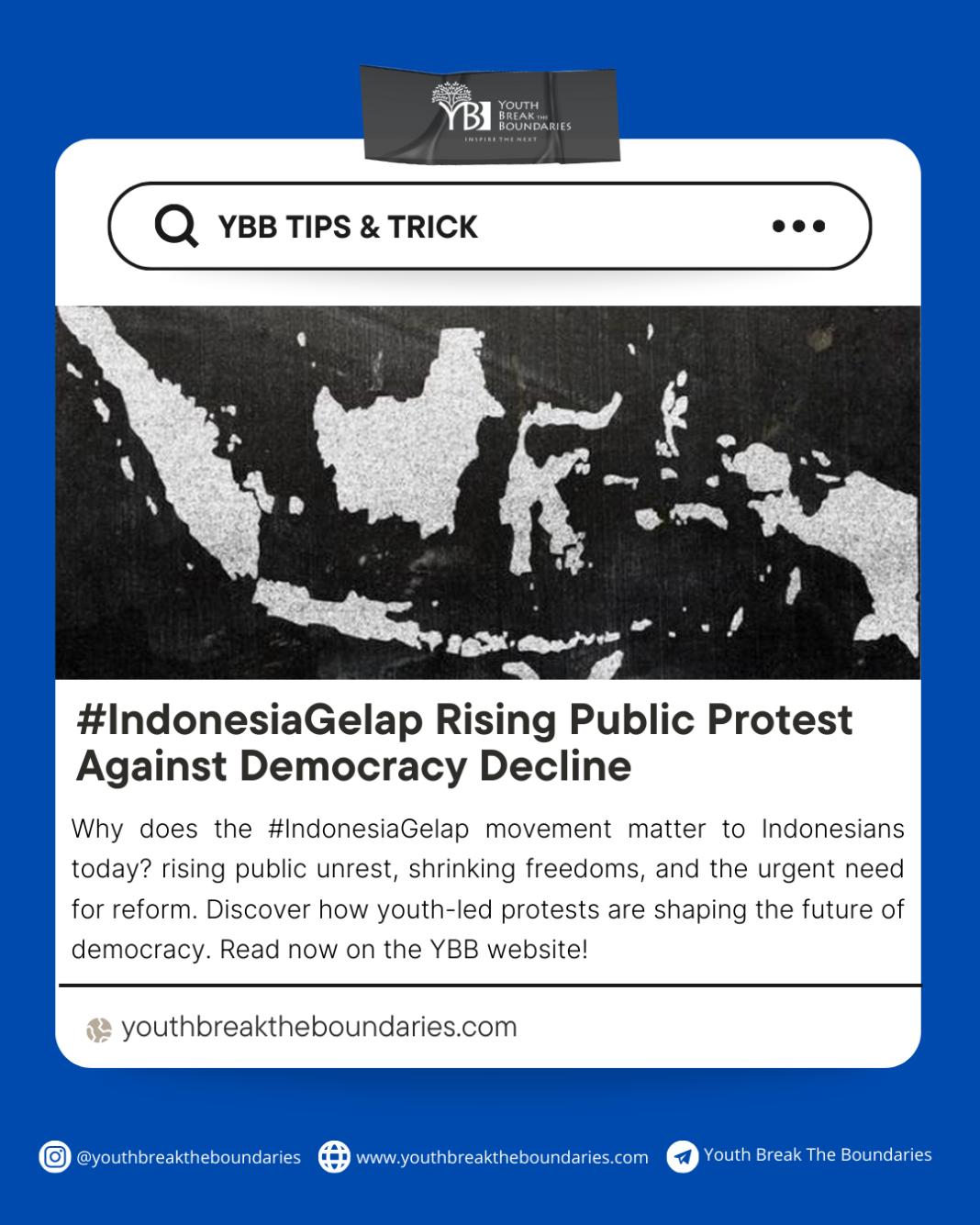

The hashtag #IndonesiaGelap has gone viral on social media. Citizens across the country use the phrase to express their deepening frustration. The tag, which means “Dark Indonesia,” symbolizes both literal and metaphorical gloom facing the nation.
Although the hashtag first emerged during massive blackouts, today it carries a much deeper meaning. Now, Indonesians use it to criticize the erosion of democracy, rising authoritarianism, and worsening social injustice.
A Warning Sign of Democratic Decline
Recently, multiple signs have pointed to a backslide in Indonesia’s democratic values. Human rights watchdogs have issued serious warnings. Not to mention expansion of military influence in civilian roles and erosion of press freedom
For instance, Amnesty International Indonesia stated that the country faces a “shrinking civic space.” The organization highlighted several alarming actions. Authorities have criminalized activists, restricted freedom of speech, and intensified digital surveillance.
Moreover, controversial laws have triggered national protests. In December 2022, lawmakers passed the new Criminal Code. This law includes vague clauses that criminalize criticism of the president and state institutions. As a result, people fear punishment for expressing opinions.
The new code also limits peaceful protests. Citizens must now obtain permits in advance. Otherwise, police can disperse them and arrest participants. These changes reduce civil liberties and undermine public trust.
“We are witnessing democratic regression,” said Usman Hamid, Executive Director of Amnesty International Indonesia.
Public Discontent Grows
In addition to democratic concerns, economic pressure fuels widespread dissatisfaction. Food prices have surged in recent years. Unfortunately, wages remain stagnant.
Corruption also worsens inequality. The public sees a justice system that favors the powerful. Meanwhile, ordinary people face strict punishments for minor offenses. This disparity leads many to believe that Indonesia no longer serves its citizens equally.
Furthermore, various reports highlight the growing wealth gap. According to Kompas, economic growth has not benefited lower-income groups. Instead, elites enjoy privileges while others struggle to survive.
The #IndonesiaGelap Phenomenon
As public anger grows, more Indonesians are turning to social media. They use platforms like X (formerly Twitter), Instagram, and TikTok to vent their frustrations. The hashtag #IndonesiaGelap allows them to unite and amplify their concerns.
This trend reveals deeper societal issues:
- Declining trust in government institutions
- Fear of expressing opinions
- Anger toward systemic injustice
- Growing awareness among youth
Young people play a major role in spreading the tag. They often create content that mixes humor with criticism. Memes, videos, and quotes help the message reach wider audiences. Despite censorship attempts, the movement continues to grow.
What the Future Holds
Looking ahead, analysts believe that Indonesia stands at a crossroads. The government must listen to its people. Without reform, anger will only grow.
Experts recommend several steps:
- Repeal laws that silence dissent
- Uphold judicial independence
- Increase transparency in policymaking
- Ensure fair economic opportunities
If authorities ignore these demands, social unrest could intensify. Citizens demand more than electricity and infrastructure. They want justice, fairness, and freedom.
For now, the hashtag #IndonesiaGelap shines a light on a growing crisis. It serves as a reminder that democracy requires constant vigilance—and the people are watching.
Explore our social media to learn more about us and stay updated with our latest news and activities!
Instagram: @youthbreaktheboundaries
Facebook: Youth Break the Boundaries
Youtube: @ybbfoundation
Telegram: @Youth Break The Boundaries
Tik Tok: @youthbreaktheboundaries


