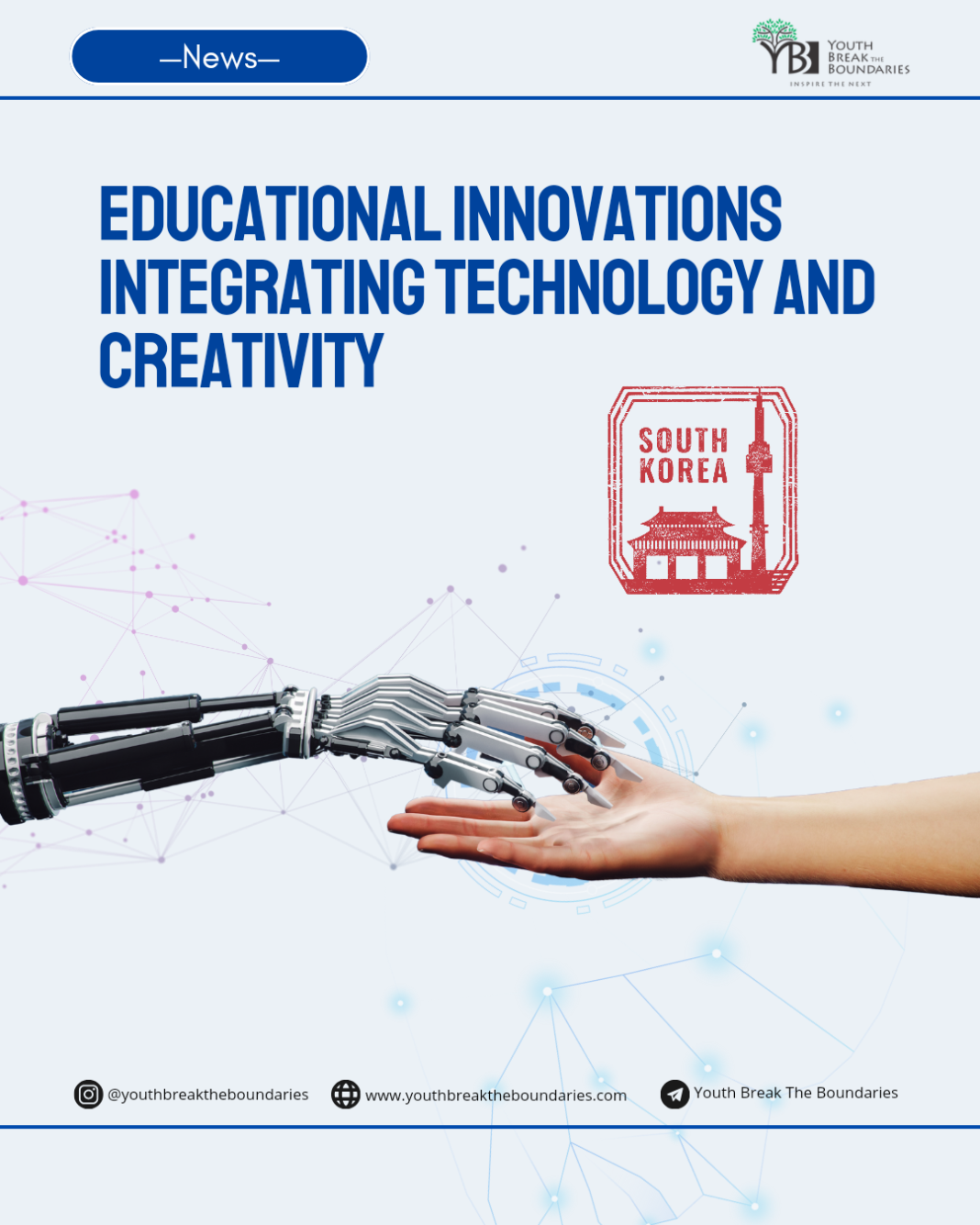

South Korea has long been recognized for its competitive, results-oriented education system. In the digital era, the country has leveraged advanced technologies such as Artificial Intelligence (AI) and gamification to transform education. This approach has created a more adaptive and creative system tailored to the needs of the modern age.
Technological Innovations in Education
One of the key breakthroughs in South Korean education is the application of AI to personalize learning for students. For instance, AI platforms recommend study materials based on individual needs and provide instant feedback. Additionally, hybrid learning, combining face-to-face classes with online education, has become the norm, offering greater flexibility. Gamification has also emerged as a new classroom attraction. By incorporating game elements, students are encouraged to learn through play, particularly in challenging subjects like mathematics and science.
Schools across South Korea exemplify this trend. For example, at the university level, Seoul National University has introduced courses specifically designed to teach students how to use AI tools like ChatGPT for creative and critical thinking.
STEAM Approach to Foster Creativity
South Korea integrates the STEAM (Science, Technology, Engineering, Arts, Mathematics) approach into its curriculum. Adding arts to STEM aims to nurture students’ creativity. STEAM-based education produces a generation not only proficient in technical skills but also innovative and prepared for future challenges.
Also Read : The Journey of Hanbok Colors Through the Ages
Government Commitment to Supporting Innovation
The government plays a vital role by supporting lifelong learning programs and subsidizing online courses. Initiatives such as the use of robots in elementary classrooms demonstrate a commitment to creating advanced learning environments.
Impact and Challenges
These innovations have had positive impacts, including increasing student engagement and enhancing graduate quality. However, challenges such as unequal access to technology and academic pressure must be addressed to ensure inclusive education for all.