Hanbok, the traditional attire of Korea, stands out with its unique design and elegance. Featuring clean lines and bright colors, hanbok has become a cultural icon representing Korea’s rich heritage. Over the centuries, hanbok has evolved significantly, reflecting the historical and cultural influences of three key eras: Goryeo, Joseon, and modern times.
Hanbok in the Goryeo Era

During the Goryeo era, hanbok adopted influences from Mongolian culture, especially after the marriage between a Goryeo king and a Mongolian princess. Designers shortened skirts, tightened tops, and made sleeves more fitted. They used silk, cotton, and ramie fabrics, adorned with floral and animal motifs. Bright colors highlighted the social status of wearers, making hanbok a symbol of wealth and elegance.
Hanbok in the Joseon Era
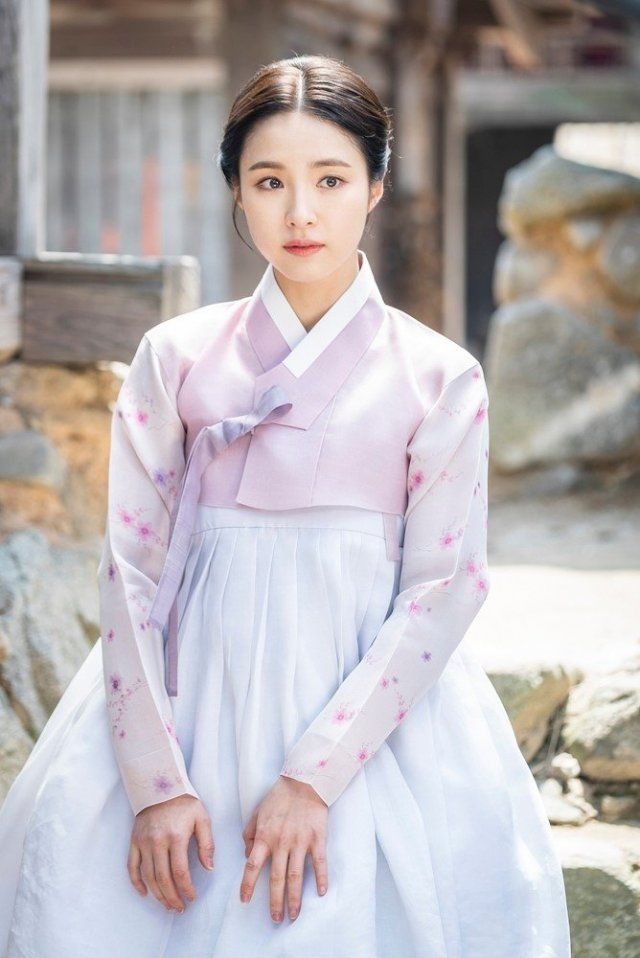
The Joseon era (1392–1897) marked the peak of hanbok’s development. People embraced its graceful style, which often appears in historical Korean dramas and films today. Hanbok from this period featured Jeogori (a top) that extended to the waist and Chima (skirt) that swept the floor, creating a flowing and elegant look. This era solidified hanbok as a timeless representation of Korean culture.
Modern Hanbok
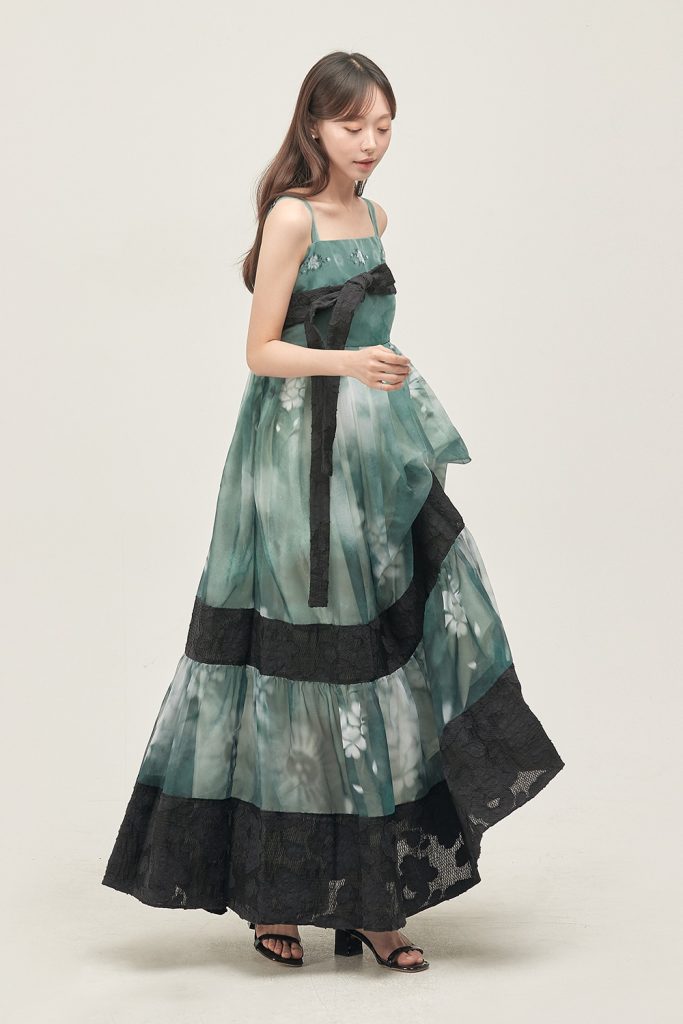
Modern hanbok blends traditional beauty with contemporary flair. Designers now use materials like linen and denim, making hanbok more versatile and accessible. Today, people wear hanbok not only for formal events but also for casual occasions such as picnics or even work.
The Symbolism of Hanbok Colors
Each hanbok color carries deep meaning. Red, symbolizes joy and good fortune, often worn for special celebrations. Blue, represents calmness and balance, with shades reflecting social status. Yellow, signifies royalty and prosperity, embodying the essence of the earth. Black, denotes sadness and mourning but was also worn by the elite for specific events during the Joseon era.
Also Read : Learn Like a Pro : University War 2