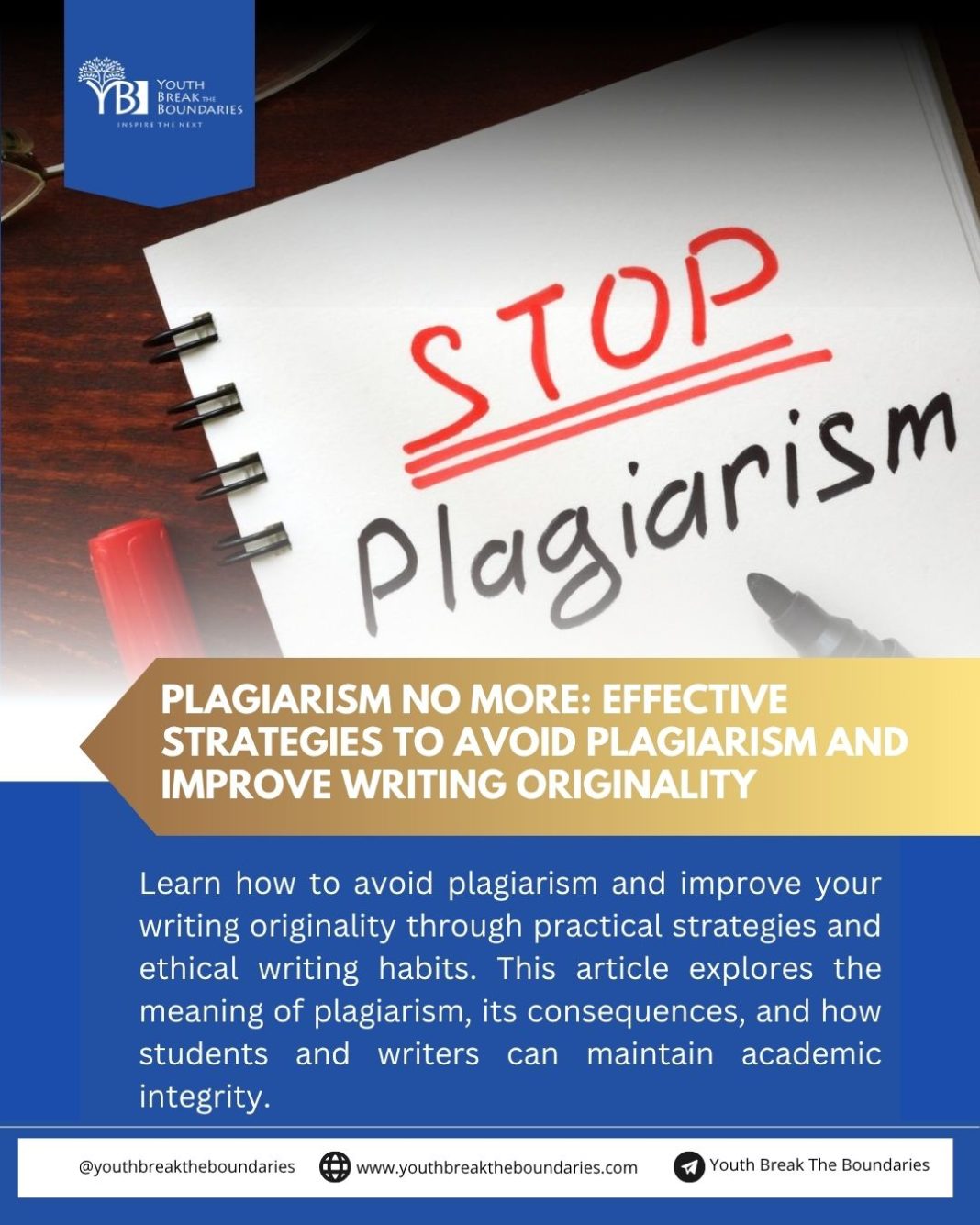

Plagiarism is not just an ethical mistake; it’s a serious offense in both academic and writing communities. When you use someone else’s ideas or text without proper acknowledgment, you’re claiming credit for something that isn’t yours.
In today’s digital era, plagiarism is becoming more widespread due to the easy access to information. However, that same technology also provides tools to detect and prevent plagiarism. Therefore, it’s essential for you to learn how to write with originality and integrity.
What Is Plagiarism and Why Is It a Serious Problem?
Plagiarism means copying or using someone else’s work without citing the source. It can involve text, ideas, data, or even visuals like images or graphics. In academic settings, plagiarism is seen as dishonest and damaging to the credibility of scholarship.
The consequences can be severe—from receiving a warning or failing a class to being expelled or having your reputation tarnished. That’s why identifying and avoiding all forms of plagiarism is crucial for every writer.
Also Read: Quantum Computing: When Computers Start Thinking Beyond Conventional Logic
Strategies to Avoid Plagiarism
Here are several effective ways to avoid plagiarism:
1. Understand and Properly Cite Sources
Anytime you quote, paraphrase, or refer to another person’s work, make sure you cite it correctly. Use consistent citation styles (APA, MLA, Chicago, etc.) based on your writing context.
2. Paraphrase Accurately
Paraphrasing isn’t just about changing words into synonyms. It involves fully understanding the original idea and rewriting it in your own words without changing the meaning. Always cite the source even when paraphrasing.
3. Use Plagiarism Detection Tools
Tools like Turnitin, Grammarly, or Plagiarism Checker X can help you detect any unintentional similarities. Run your work through these tools before submission.
4. Develop Original Ideas
Instead of just copying existing theories or findings, try to build your own analysis or argument. Add your unique insight, examples, or case studies to differentiate your writing.
Also Read: 5 Muslim Leadership Strategies to Drive Social Innovation in the Digital Nation
5. Don’t Copy-Paste From the Internet
Even if you find a well-written explanation, avoid copying it directly. Use it as a reference and create your own narrative using your voice and understanding.
How to Improve Writing Originality
Improving originality isn’t only about avoiding plagiarism. It’s also about developing your critical and creative thinking as a writer. You can:
- Create an outline before writing.
- Read from diverse sources and write in your own language style.
- Combine theories with your opinions or observations.
Academic Ethics and Student Responsibility
As a student, you play a key role in maintaining academic integrity. Original writing reflects honesty and your ability to think independently.
Academic ethics also help shape you into a responsible individual—especially when it comes to producing work that is credible and intellectually sound.
Also Read: Switzerland: the First Country to Install Solar Panels on Railway Tracks
Conclusion
Plagiarism can be avoided if you’re committed to ethical writing practices. Cite sources accurately, paraphrase carefully, and don’t be afraid to express your own ideas.
Originality is more than just bypassing plagiarism—it builds your reputation and helps you make meaningful contributions to your field.
If you’re interested in exploring more academic issues like this, don’t miss the Youth Academic Forum (YAF), a program by Youth Break the Boundaries (YBB). This event brings together youth from around the world to discuss relevant academic topics.
Visit the official website at www.youthbreaktheboundaries.com for more details.