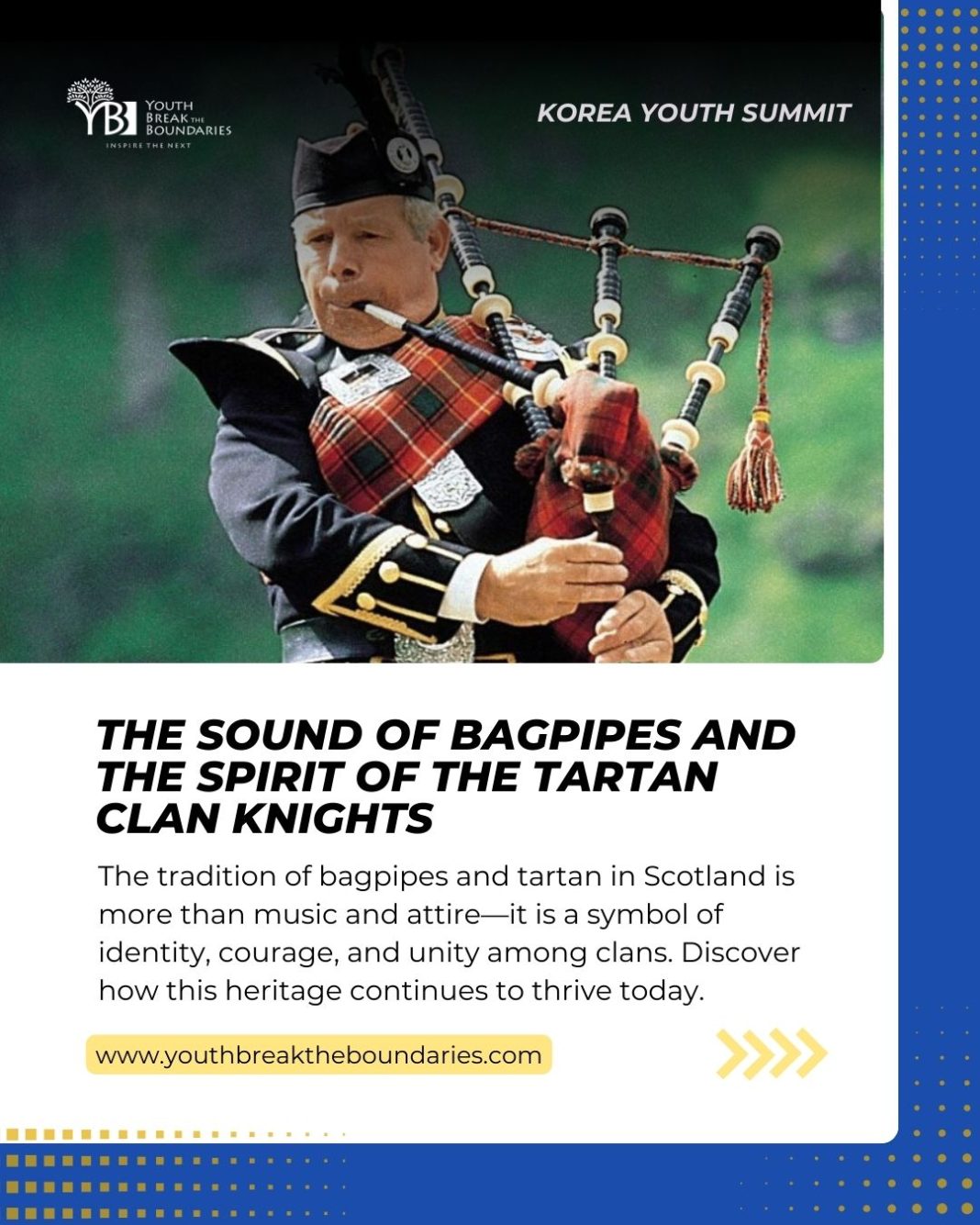

Scotland’s Cultural Legacy That Echoes Worldwide
When you hear the sound of bagpipes, you may picture the Scottish Highlands with knights proudly wearing tartan. This iconic instrument has been a central part of Scotland’s history and cultural identity.
Bagpipes are not just musical instruments. Their sound has long been used to express the spirit of battle, celebrate unity, and accompany sacred ceremonies. Alongside them, tartan—plaid patterned fabric—stands as a powerful symbol of clan identity in Scotland.
Also read: How Green Research Helps Tackle the Global Climate Crisis
Bagpipes: A Rhythm That Stirred the Soul
For centuries, bagpipes have been played across Scotland. On the battlefield, they ignited courage among warriors and struck fear in their enemies.
Over time, their role expanded into weddings, folk festivals, and ceremonial events. Today, bagpipes are performed worldwide as a cultural emblem of Scotland.
Tartan: More Than Just Fabric
Each Scottish clan owns its distinct tartan pattern, passed down through generations as a marker of family and heritage. Beyond clothing, tartan represents loyalty and deep connection to ancestral lands.
Historically, tartan also held political significance. At one time, wearing it was banned as an act of rebellion. Yet, this only reinforced its role as a symbol of resistance and pride.
Preserving Tradition in the Modern Era
Bagpipes and tartan remain vibrant traditions today. Many schools in Scotland teach young musicians to play the bagpipes, while festivals like the Highland Games showcase competitions, parades, and cultural performances.
Tartan has also entered global fashion. Designers worldwide adapt its patterns while honoring its cultural roots, bringing Scottish heritage to international stages.
Also read: Youth Break the Boundaries Buka Pendaftaran Outreach Partner, Ajak Pemuda Raih Peluang Global
Symbols of Unity and Identity
For Scots, bagpipes and tartan are far more than traditions. They embody unity, bravery, and identity. The stirring sound of the bagpipes recalls battles and resilience, while tartan testifies to the enduring legacy of Scottish clans.
Conclusion
Bagpipes and tartan are not relics of the past. They remain living traditions that echo through the modern world, carrying the timeless spirit of clan knights. From music to fashion, these cultural icons bridge history, the present, and the future.
If you want to explore more about global cultures, don’t miss the Korea Youth Summit by Youth Break the Boundaries (YBB), which will feature rich discussions on cultural diversity.