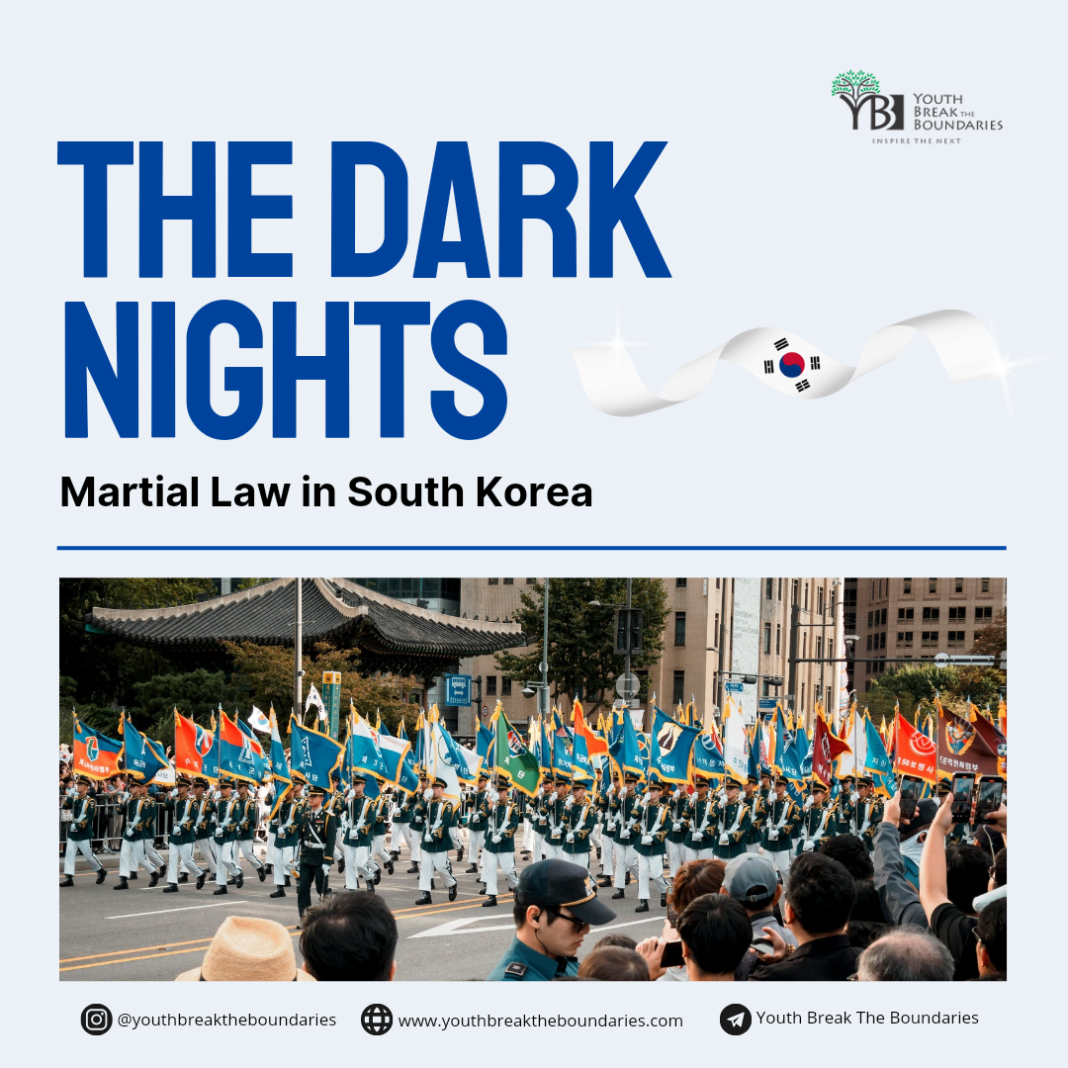

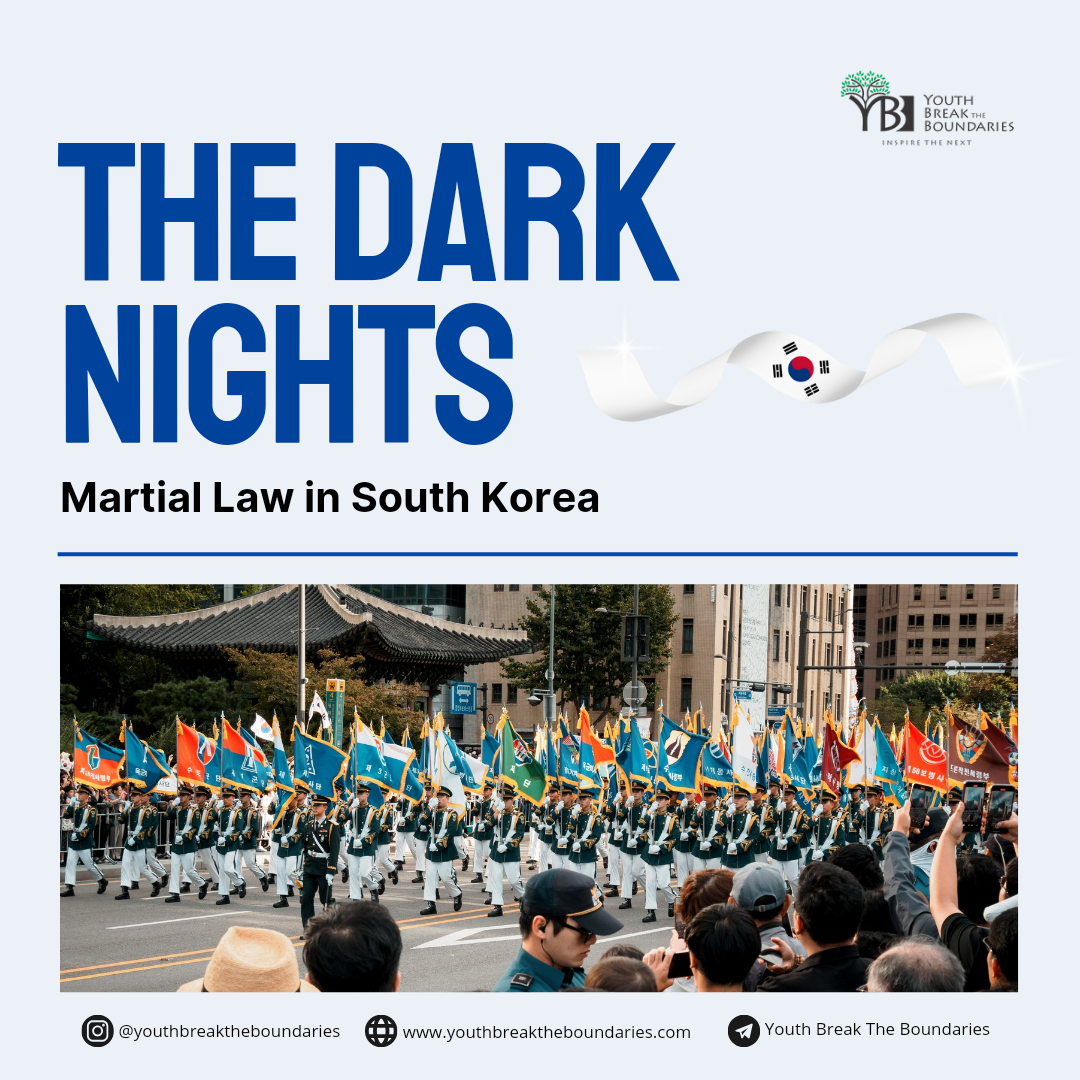
South Korea, a nation renowned for its vibrant democracy, has a history marked by periods of authoritarian rule enforced through martial law. These periods, characterized by military control and the suppression of civil liberties, have left a significant impact on the country’s political and social landscape.
The 1961 Military Coup
In 1961, General Park Chung-hee led a military coup, seizing power and imposing martial law. This move centralized power in the military, leading to a period of authoritarian rule. The government suppressed dissent, controlled the media, and restricted political freedoms.
The Gwangju Uprising
Following Park’s assassination in 1979, South Korea experienced further political turmoil. In 1980, General Chun Doo-hwan seized power and declared martial law, leading to the bloody Gwangju Uprising. This popular uprising was brutally suppressed by the military, resulting in a significant loss of life.
Also Read : 2025 Southeast Asia Program Fellowship | Fully Funded
The Korean War and Martial Law
The Korean War (1950-1953) also saw the imposition of martial law in South Korea. The government imposed a state of emergency to mobilize resources and troops, granting the military extensive powers. Martial law persisted until the end of the war in 1953 and continued with an increased military role until the 1960s.
The Impact of Martial Law
Martial law had a profound impact on South Korean society. It curtailed civil liberties, including freedom of speech, assembly, and press. The military often used force to suppress dissent, leading to human rights abuses and political persecution.The legacy of martial law continues to shape South Korea’s political culture. The country has made significant strides in democratization, but the scars of authoritarian rule remain. Understanding the history of martial law is crucial to appreciating the hard-won democratic gains of South Korea.
Read : 5 Unique Libraries in South Korea: A Bookworm’s Paradise