Chinese New Year, also known as Lunar New Year or Spring Festival, has celebrated over 3,500 years of history. People in ancient China began this festival during the Shang Dynasty (1600–1046 BCE) to honor gods and ancestors at the end of the harvest season. People celebrated the event with ceremonies that sought to secure blessings from deities and ensure harmony with nature, which played a crucial role in their agricultural lifestyle.These ancient rituals combined practical and spiritual elements, symbolizing both the end of the farming cycle and the start of a new year filled with hope and renewal.
Origins and Evolution
Chinese New Year, with over 4,000 years of history, began during the Shang Dynasty (1600–1046 BCE). People celebrated the festival to honor deities and ancestors after the harvest season. People introduced the term “Nián (年)” meaning “year,” during the Zhou Dynasty (1046–256 BCE). They celebrated by worshiping nature, offering sacrifices to ancestors and deities, and burning bamboo to create loud sounds that drove away evil spirits. During the Han Dynasty (202 BCE–220 CE), they fixed the festival date to the first day of the first lunar month and expanded its customs.
The Legend of Nian
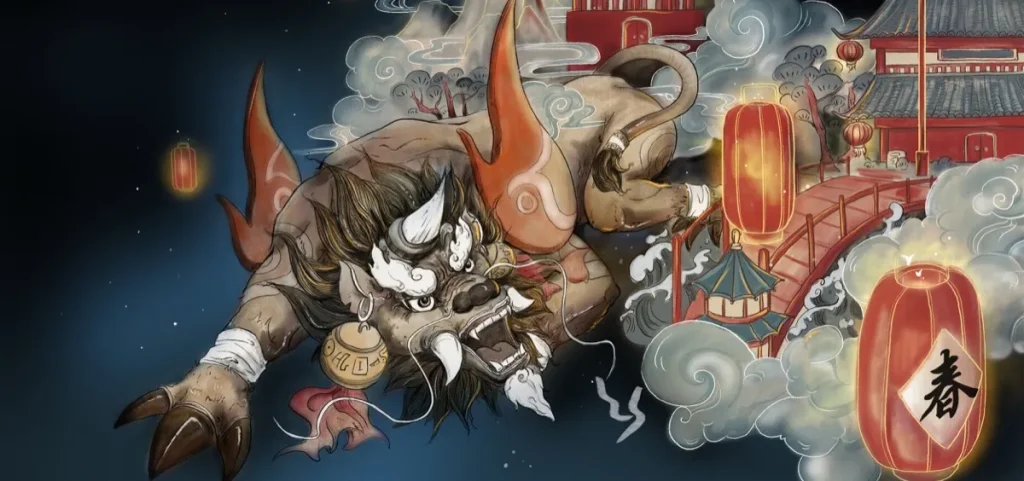
Villagers created traditions based on a legend about the beast “Nian,” which attacked their homes on New Year’s Eve. They discovered that red, loud noises, and fire scared Nian away. To protect themselves, they hung red decorations, lit firecrackers, and celebrated with noise and light. These practices shaped the modern celebrations, with red symbolizing luck and protection.
Modern Significance
Families celebrate Chinese New Year by reuniting, preparing special feasts, and honoring their ancestors. They decorate homes with red, give red envelopes, and follow traditions that highlight joy and prosperity. The festival continues to symbolize new beginnings, community, and cultural pride while preserving its ancient roots.
Also Read : Top 10 Countries with the Most Languages in the World