
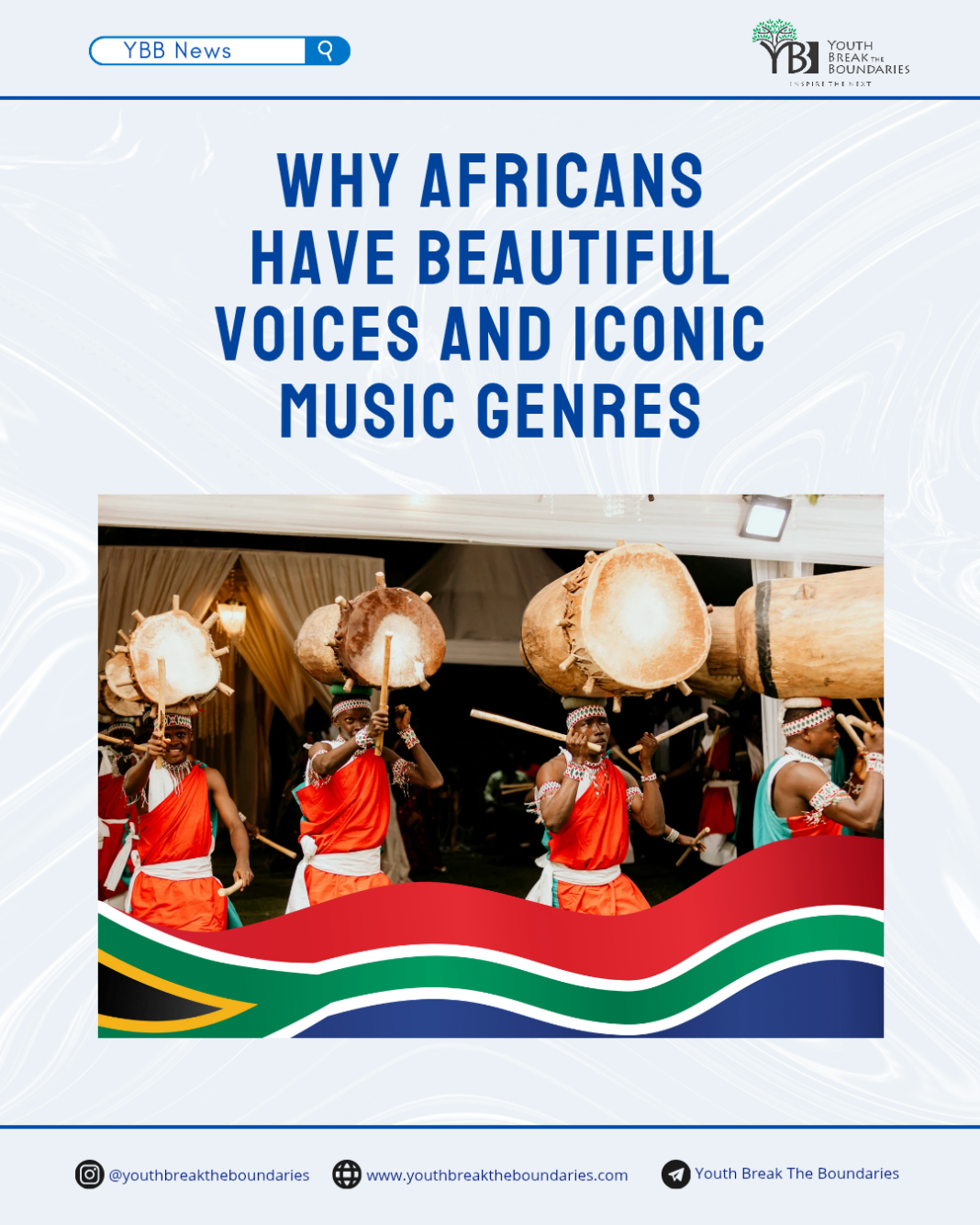

Africa is known not only for its vibrant cultures and breathtaking landscapes but also for its incredible musical talent. African voices, celebrated for their richness and emotional power, have captured the hearts of music lovers around the world. Alongside their stunning vocal abilities, Africa is the birthplace of many iconic music genres that continue to influence global music. African voices stand out for their natural power, tonal quality, and unique musicality. Here’s why:
1. Cultural Roots in Music
Music is a cornerstone of African culture, embedded in ceremonies, rituals, storytelling, and daily life. From childhood, many Africans are exposed to songs, rhythms, and vocal techniques that nurture their vocal abilities.
2. Natural Vocal Techniques
Traditional African singing emphasizes open-throated, chest-driven techniques that produce resonant and powerful sounds. The frequent use of call-and-response patterns helps singers develop vocal flexibility and dynamic range.
3. Diverse Musical Traditions
Africa’s vast diversity brings a variety of vocal styles, from the polyphonic singing of Central African pygmies to the ululations of North Africa. These unique traditions contribute to the beauty and variety of African voices.
4. Rhythmic and Melodic Complexity
African music often features complex rhythms and melodic improvisation, training singers to master timing and creative expression. This complexity makes African vocals rich and dynamic.
5. Community and Emotional Expression
Singing is often a communal activity, deeply tied to emotional expression and storytelling. This cultural emphasis on connection and storytelling enhances the emotional depth in African singing.
Also Read : Local Language in Sulawesi Adopts Korean Script
Iconic Music Genres from Africa
Africa is the birthplace of many influential music genres that reflect its rich cultural diversity. Here are some of the most iconic ones:
1. Afrobeats (West Africa)
Afrobeats is a modern genre that blends traditional African rhythms with global influences like hip-hop, dancehall, and electronic music. Artists such as Burna Boy, Wizkid, and Davido have propelled Afrobeats to international fame, making it one of the most popular genres today.
2. Highlife (Ghana and Nigeria)
Highlife combines African rhythms with Western instruments, especially brass and guitars, creating a lively and infectious sound. Its influence can be heard in many contemporary African genres.
3. Mbube (South Africa)
Mbube is a vocal style characterized by powerful harmonies, often performed by male choirs. The global hit “The Lion Sleeps Tonight” originated from this tradition.
4. Afrobeat (Nigeria)
Not to be confused with Afrobeats, Afrobeat was pioneered by Fela Kuti and blends African rhythms, jazz, funk, and politically charged lyrics. It has become a symbol of resistance and cultural pride.
5. Gqom (South Africa)
Gqom is a subgenre of house music featuring minimalistic beats and heavy bass. It’s a favorite in South Africa’s dance music scene, offering hypnotic rhythms perfect for clubs and festivals.
African voices and music genres reflect the continent’s rich cultural heritage and creativity. Whether it’s the soulful power of traditional singing or the rhythmic energy of Afrobeats, Africa’s musical contributions continue to inspire and influence the world. Each genre tells a story, connects people, and celebrates life’s complexities, making African music a true treasure for humanity. Which African music genre or style do you want to explore next?


